机の上に、思いつかないものがあった

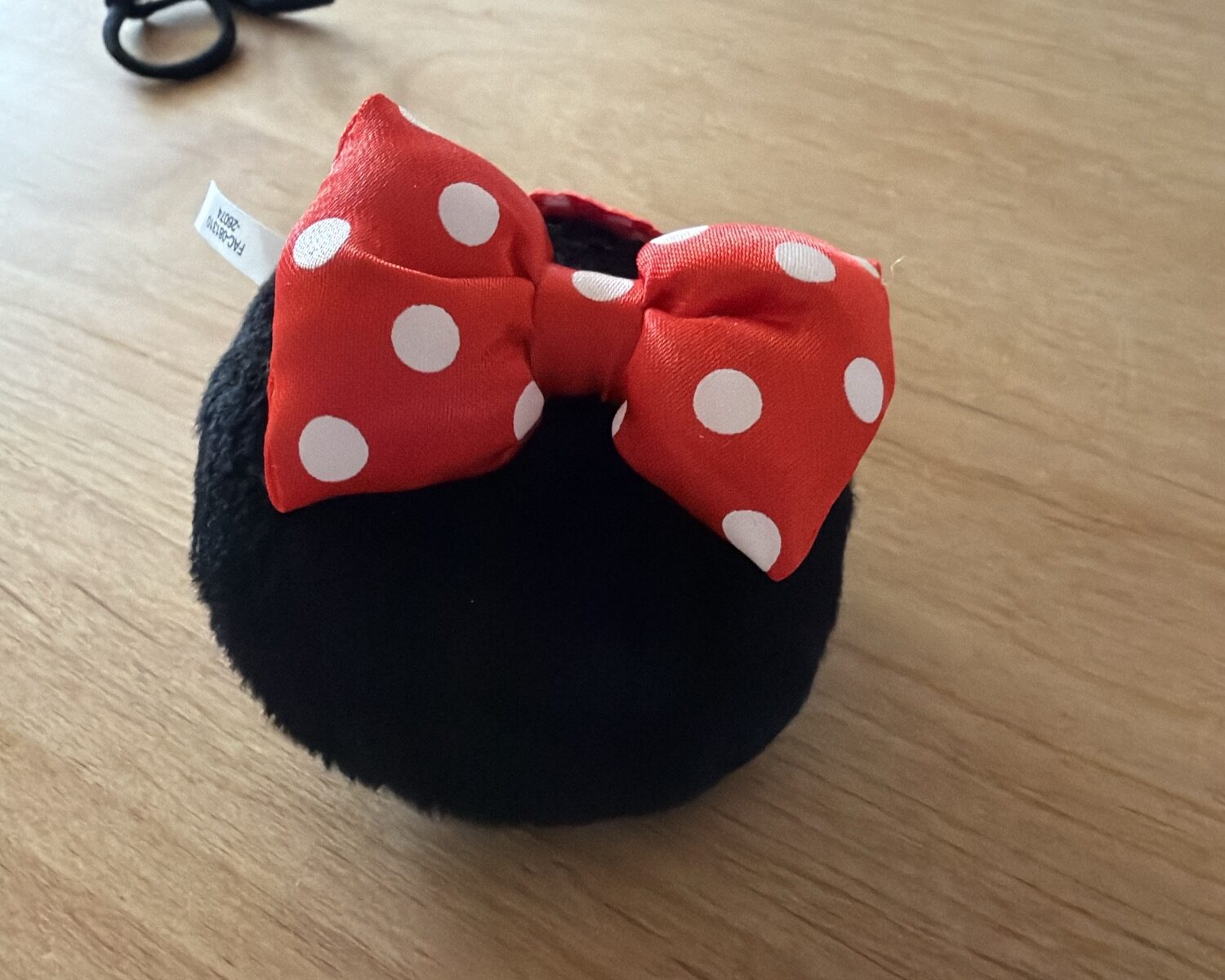
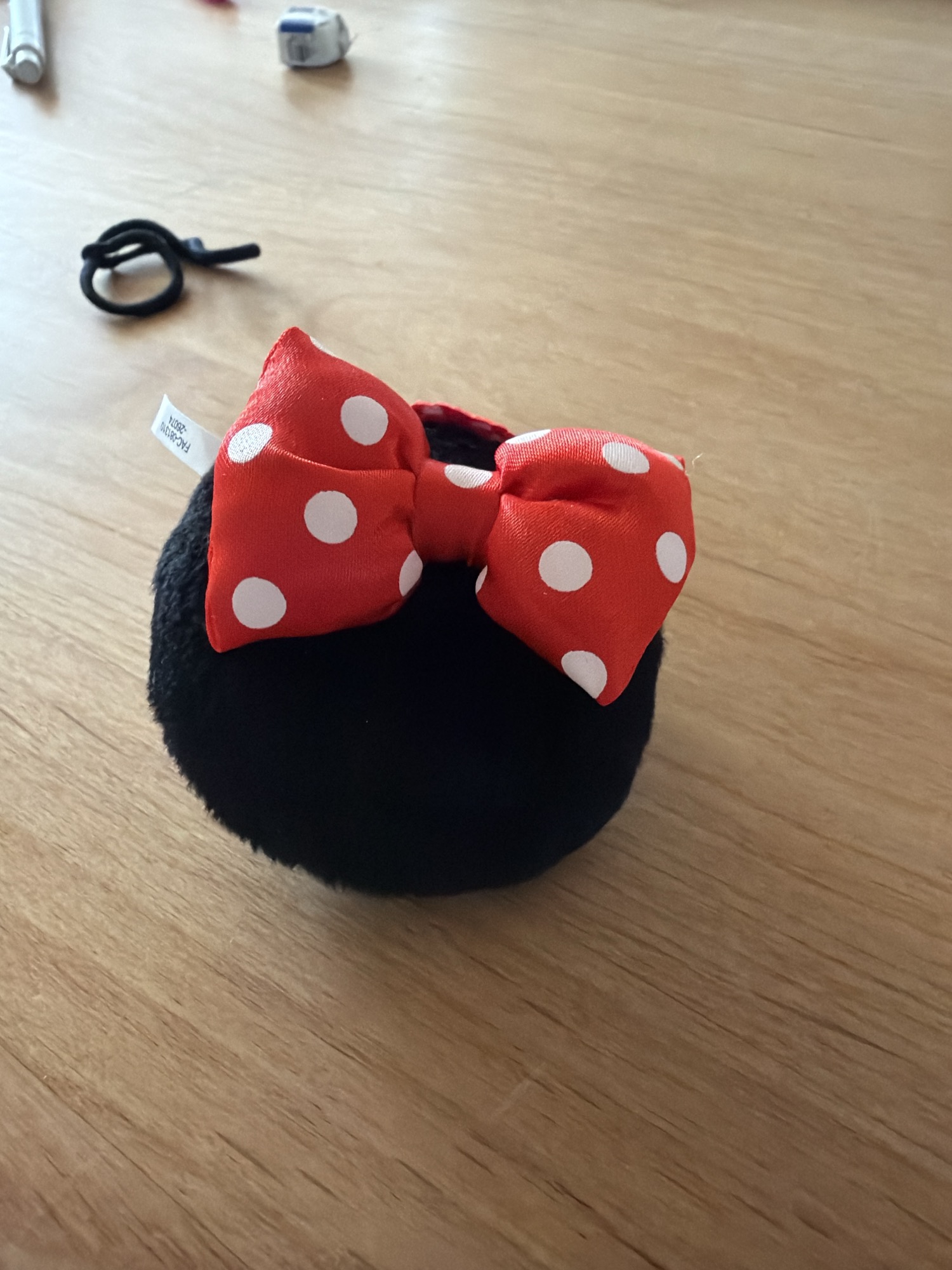
木目の机に置かれたヘアアクセサリー。黒いファーの丸い耳に赤地白水玉のリボン、脇に黒いヘアゴム

木目の机に置かれたヘアアクセサリー。黒いファーの丸い耳に赤地白水玉のリボン、脇に黒いヘアゴム

朝、机の上に転がっていたものに目が止まりました。黒いファーでできた丸い耳のようなかたちに、赤地に白の水玉のリボンがちょこんと結んである、ヘアアクセサリーです。ヘアゴムと一緒に、特に片づけられることもなく置いてありました。

じっと見て、最初に浮かんだのは「これ、自分では絶対に思いつかないな」という感覚でした。耳の丸みの出し方、リボンの大きさのバランス、水玉の散らし方。どれも「かわいい」に向かって迷いなく選ばれている感じがして、もし僕が何かをかたちにするとしたら、たぶんこの方向にはまったく転がっていきません。

頭の中に「男性脳」という言葉が浮かびました。便利な言い訳です。自分にこの発想がないことを、性別のせいにできてしまう。科学的にどこまで根拠があるのか怪しいものだ、というくらいは僕にも分かります。それでも、実感としては否定しきれない自分がいるのも本当です。

思えば僕が普段選ぶものは、だいたい機能が先に立ちます。壊れにくいか、扱いやすいか。迷ったら、たいてい地味な方を取ります。水玉のリボンを自分から選ぶ未来は、正直まったく想像できません。

でも、それを全部「脳のせい」で片づけてしまうのも、なんだか違う気がしてきました。単に、僕がそこに時間をかけてこなかっただけかもしれません。この水玉を選んだ理由も、本人に聞いたわけではないのです。

結局、机の上のリボンは何も説明しないまま、今日もそこにありました。男性脳のせいにするのはやめにして、ただ「よくこんなの選ぶな」と、素直に感心することにしました。

What Boredom Is Actually Made Of

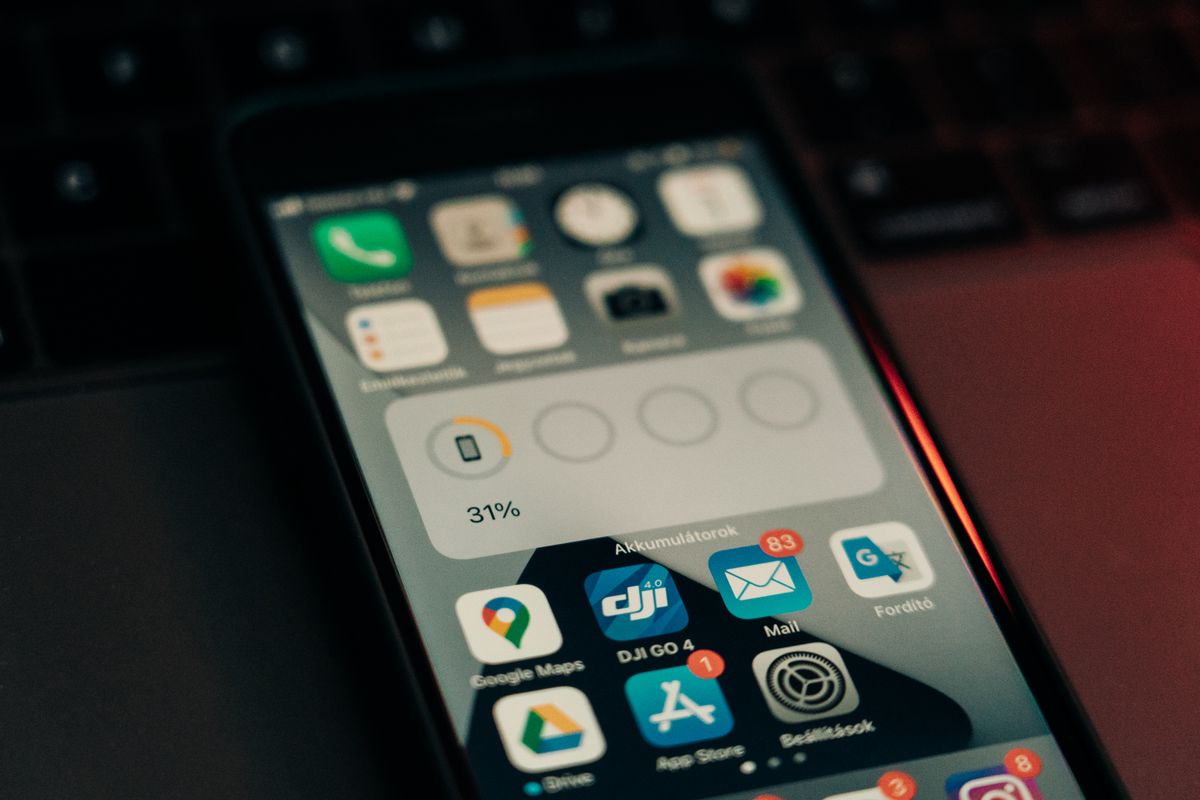
A smartphone lying on a keyboard, its battery widget showing a low 31 percent charge

A smartphone lying on a keyboard, its battery widget showing a low 31 percent charge

Last Saturday, I had nothing planned. I sat on the couch and scrolled through my phone for no real reason. When I looked up, an hour was gone. I had not read the news. I had not talked to anyone. I had just moved my thumb up and down the screen, again and again.

It felt strange afterward. I was bored, but I did not actually feel the boredom. The time just slipped out of my hands.

So I started wondering: what is boredom, really?

When we are bored, we usually act like we have plenty of time. Nothing needs to be finished today, so we can do anything, or nothing. This feeling of “plenty of time” is strange if you think about it. No one actually knows how much time they have left.

Then a big, maybe silly, idea came to me. What if successful people simply do not have this feeling? What if their whole mindset is built on the fact that death is real, and it will happen to them, personally, not just to other people in the news?

It felt like a big jump. But I was curious, so I had a bunch of academic papers and theories dug up for me. It turns out psychologists have been studying something close to this for decades.

The first thing that surprised me was a well-known framework called Terror Management Theory. Researchers have run hundreds of experiments where they remind people of their own death, then measure what happens next. Most of the time, people do not become wiser or kinder. They become more defensive. They judge people who think differently more harshly. They want more expensive brand-name things. Thinking about death does not seem to make people grow. It makes them protect themselves.

So my hypothesis looked broken already.

But when I looked closer, the story was not that simple. There is a difference between being vaguely scared of death and actually sitting with it, in detail, on purpose. One study found that within the same experiment, people who felt anxious about death became less likely to help others, while people who calmly reflected on death became more likely to help others. Same trigger, opposite paths. It is not really about whether you think about death. It is about how you face it.

That reminded me of Seneca, the old Roman philosopher. In his essay On the Shortness of Life, he wrote that life is not actually short — we just waste most of it. The kind of leisure he valued was not empty time. It was time spent looking straight at your own limits. If you think you have unlimited time, leisure is just a blank space. If you know your time is limited, leisure becomes the richest part of your day. I did not expect my question about boredom to connect to a 2,000-year-old book, but here we are.

One more thing caught my attention. Researchers found that how much time you feel you have left changes what you care about. Young, healthy people usually chase new knowledge and new connections. But the moment people feel their time is limited — after a serious illness, or a big life change — they suddenly start prioritizing the people already close to them.

This reminded me of my phone battery, honestly. When it is at 100 percent, I open random apps without thinking. When it drops to 5 percent, I suddenly become very serious about which app deserves that last bit of power. Maybe time works the same way.

So here is my simple, honest conclusion. “The more you think about death, the more successful you become” is too strong a claim, and honestly, more research points the other way. But how you face death — vaguely afraid, or calmly looking at it — really does seem to change what you prioritize. That is about as far as I can take this. I am not going to solve the biggest mystery of the human species from a bored Saturday afternoon.

Writing all this reminded me of something else, something that happened a few weeks earlier.

I saw an older man trip and fall on the sidewalk. I rushed over and helped him up. It was nothing dramatic — I just held his arm and picked up his bag. After he steadied himself, he looked me straight in the eye and said, “Thank you.” Something about the way he said it landed somewhere deep, and it stayed with me.

I still do not fully know why those two words hit me that hard. If I use the theory I just found, maybe he had faced enough of life’s limits, death included, that gratitude simply came out of him naturally. It is a tidy explanation, and it might even be true.

But I do not think I need to force it into a theory. I would rather just accept that “thank you” as something good, without turning it into proof of anything.

Human neurons are a strange thing. I started with boredom, ended up at death, and somehow landed on a stranger’s “thank you” on the sidewalk. I have no idea how those wires connect. I will leave that mystery to someone smarter than me.


A few things I read while writing this:

Every Generation, No Exception, Thinks It’s the Best (Haha)

Vintage black-and-white photographs pinned to a clothesline
Photo: Suzy Hazelwood / Pexels

A friend sent me an article a few weeks ago. The title said something like: people born in the 1970s — so, right now, late 40s to mid 50s — have the strongest brains of any generation alive. The logic went like this: they grew up fully analog, then had to learn the internet, then smartphones, then AI. On top of that, many of them entered the job market during a brutal economic slump, so they also picked up serious mental toughness along the way. Best of both worlds, the article said. Adaptable and unbreakable.

I read it twice. I won’t lie, it felt good. Somebody, somewhere, had decided that this exact stretch of birth years was quietly the strongest one, and here I was, reading about it on my phone like it was a horoscope written just for me.

Then the curious part of my brain woke up. I went looking for the original source, and things got a little strange. The same story — same three points, same confident tone — showed up again and again, in slightly different wording, across several channels. Some in Japanese, some in Korean. One blogger had already gone through the trouble of pointing out that this looked less like journalism and more like a template, copied and reused, the kind of content that flatters whoever happens to be reading it. That didn’t kill my curiosity. If anything, it made me want to actually check whether any of the three claims held up.

So I looked into each one separately.

Claim one: your brain peaks in your 40s and 50s. This turns out to be partly true, but only for certain kinds of thinking. Knowledge, vocabulary, and the ability to draw on years of experience — researchers call this “crystallized intelligence” — really does hold steady, and in some studies keeps climbing well past 50. But the kind of thinking that handles brand-new, unfamiliar problems quickly — “fluid intelligence” — peaks in your 20s and has already been sliding for years by the time you hit your late 40s. So it depends entirely on what kind of smart you mean.

Claim two: living through several waves of new technology makes you better at adapting to the next one. This is the weakest claim of the three. I couldn’t find solid research backing it up. What I found instead was the opposite pattern — older adults tend to adopt new technology more slowly than younger ones, not faster. The whole “digital native versus digital immigrant” idea, which this claim quietly depends on, has been criticized by researchers for years now. It sounds intuitive. It just doesn’t hold up well.

Claim three: hard economic times build lasting toughness. Here the picture gets genuinely split. Psychologists have found that moderate, survivable adversity can leave people more resilient afterward — a real phenomenon, sometimes called stress inoculation. But labor economists studying this exact generation in Japan found something else: people who entered the job market during that economic slump carried lower wages and less stable employment for years, sometimes decades, afterward. One field says the hardship built strength. The other says it left a scar that never fully closed. Both are backed by real research. They just disagree.

By the end, I wasn’t left with a clean answer. One claim mostly holds. One barely holds at all. One splits the room right down the middle. What I did learn, without really meaning to, is how easily a flattering story can travel — copied, translated, reused — as long as it tells enough people that they, specifically, are the strong ones.

I still don’t know if I believe the original article. I know I enjoyed reading it more than I should have.

And somewhere, right now, someone from a completely different generation is probably reading their own version of this same story, nodding along, feeling just as chosen as I did. Every generation gets one of these eventually. No exception, as far as I can tell.


The article that started this: 氷河期世代、実は最強脳だった…! (Hiroiro, 2026). The claims it was built on trace back to a YouTube video making the same case in more detail.

And since the whole point was to actually check, here is where I checked. On how different mental abilities peak at different ages: Hartshorne & Germine, “When Does Cognitive Functioning Peak?” (Psychological Science, 2015). On the idea that surviving some hardship can leave you more resilient: Seery, Holman & Silver, “Whatever Does Not Kill Us” (Journal of Personality and Social Psychology, 2010). On why the “digital native” story does not really hold up: Bennett, Maton & Kervin (2008) and Kirschner & De Bruyckere (2017). And on the long shadow a bad-economy graduation leaves on wages: Kahn, “The Long-Term Labor Market Consequences of Graduating from College in a Bad Economy” (Labour Economics, 2010), which lines up with a lot of the Japanese research on the ice-age generation.

「優秀な人」ってどんなひとですかね

ツタに覆われた歴史的な学舎建築、青空を背景に

ツタに覆われた歴史的な学舎建築、青空を背景に

夕方、僕は頭を抱えていました。頼んだ作業が、見当違いの方向できっちり仕上がって戻ってきたのです。しかも本人は自信満々。「完了しました!」の一言に、悪気もためらいも一切ありません。……いや、完了してないが? そもそも聞きたかったのそこじゃないが? 頭の中で小さくツッコミながら、僕は「なるほど、伝え方が悪かったんだな」と反省するところから今日を始めることになりました。

僕の職場には、こういう仕事を手伝ってくれる「頭脳」が4人います。全員、性格がまったく違います。

一人目は、エース。目的だけ伝えれば、あとは自分で段取りを組んで走ってくれます。ただし独特の癖があって、机の上を片付けてと頼むと、引き出しの中まで勝手にラベリングし直して戻ってくることがあります。頼んでないんだが。しかも報告の文体がやたら折り目正しく、世間話のときまで「承知しました」みたいな喋り方になる。おまけに1回呼ぶだけで結構な稟議が必要な値段設定なので、毎日は呼べません。予定表も分刻みらしく、捕まえられる時間帯自体が限られています。

二人目は、主任。エースほどではないですが十分頼りになります。特徴的なのは、目に見えるメーターを持っていることです。使うたびにカチッとカウントが減っていき、ゼロになった瞬間、文の途中だろうが容赦なく作業が止まります。「残り、あと2回分です」と、聞いてもいないのに自己申告してくるのも主任らしいところです。

三人目は、さっき頭を抱えさせてくれた真面目な同僚です。速いし正確、頼んだことは絶対にやり遂げます。ただし行間は読みません。「これやっといて」ではダメで、手順を1、2、3と番号付きで渡すと、途端に輝き出します。裏を返せば、指示の粗さがそのまま結果に出る、やけに正直な鏡のような存在です。手元にはいつも、渡された指示をそのまま書き写したような細かいチェックリストがあって、抜けている手順があると、勝手に埋めたりせず、律儀にそこで立ち止まります。

四人目は、瞬発力の子。最初の10分は誰よりも速く、勢いだけで押し切ります。ただし長丁場になると、途中で「あれ、さっき何の話でしたっけ」と、1時間前に決めた前提をふっと忘れることがあります。短距離走は得意でも、マラソンには向いていないタイプです。

この4人をどう使い分けるか——それが、地味だけど僕の日々の工夫になっています。難しい判断や見通しが必要な仕事はエースか主任に。手を動かすだけの量が多い仕事は、真面目な同僚や瞬発力の子に。全部エースに頼めば早いのは分かっているのですが、そんなことをしたら稟議がいくつあっても足りません。

ある日、この使い分けをぼんやり眺めていて、あ、と思いました。これ、人間の職場の構造とそっくりだ、と。優秀なベテランには「この件、よろしく」で通じます。目的さえ伝えれば、あとは向こうが最適な道を選んでくれる。逆に新人には、目的だけ渡しても迷わせるだけです。手順を切って、チェックポイントを置いてあげたほうが、結果的に速く正確に仕上がる。当たり前といえば当たり前なのに、僕はそれを職場の4人相手に、あらためて学び直していました。

ちなみに、この文章そのものも、実はこの使い分けの実演になっています。全体の構成と流れを決めたのはエース。それを実際に書き起こして整えたのは、あの真面目な同僚です。手順さえきっちり渡せば、ちゃんと期待どおりに仕上げてくれます。……今度こそ、ちゃんと伝わっていますように。

A Tiny Camera from 1987

Kodak Charmera keychain digital camera package, a 1987-style birthday gift

Kodak Charmera keychain digital camera package, a 1987-style birthday gift

My daughter’s birthday is coming up, so I bought her a present. It is a tiny digital camera called the Kodak Charmera. It hangs on a keychain, and it is small enough to hide in your hand.

The funny thing is the number printed on the box: 1987. The camera is brand new, but it is designed to look like something from that year. I checked, and 1987 is older than me. So I bought my daughter a camera that pretends to be older than her father. I am not sure how I feel about that, but I laughed.

The box also says “7 styles in total” and “blind box,” which means you do not know which color you will get until you open it. I like that part. It is a small piece of suspense, the kind that costs almost nothing but still makes your heart beat a little faster. I almost want to keep it closed for one more day, just to enjoy the not-knowing.

I grew up with real film cameras. You pressed the button, you waited, and days later the photos came back from the shop — some good, most blurry, and always a few of the ceiling. This little Charmera is digital, so my daughter will never wait like that. She will press the button and see the picture right away.

I don’t think that is better or worse. It is just different. But I hope this small toy teaches her the same thing the old cameras taught me: that it is worth stopping to look, and that even a blurry, silly photo is a piece of a day you will not get back.

Anyway, the box is still closed on my desk. Seven styles, one blind box, one very curious father. I think I am more excited than she is.